
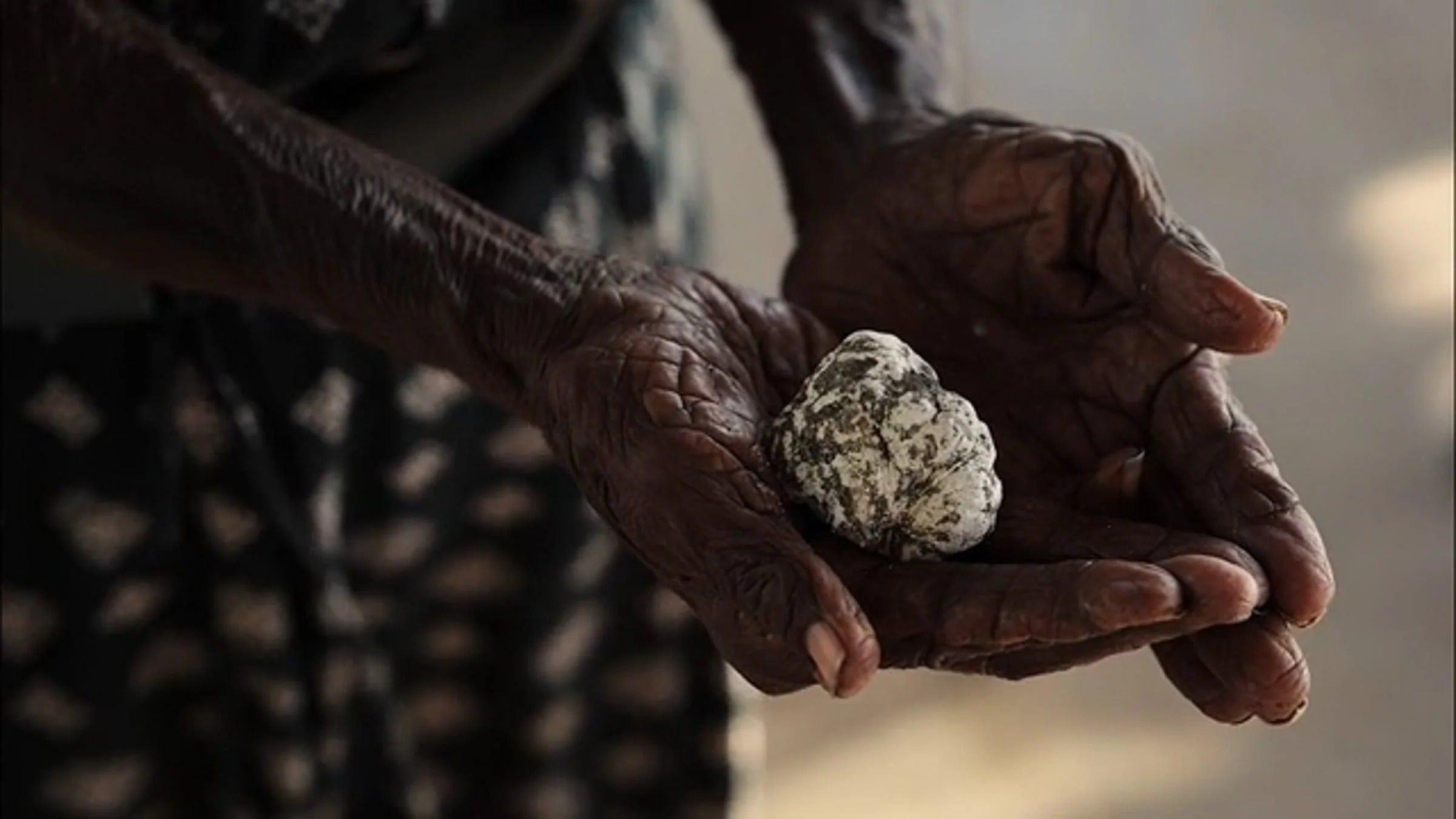
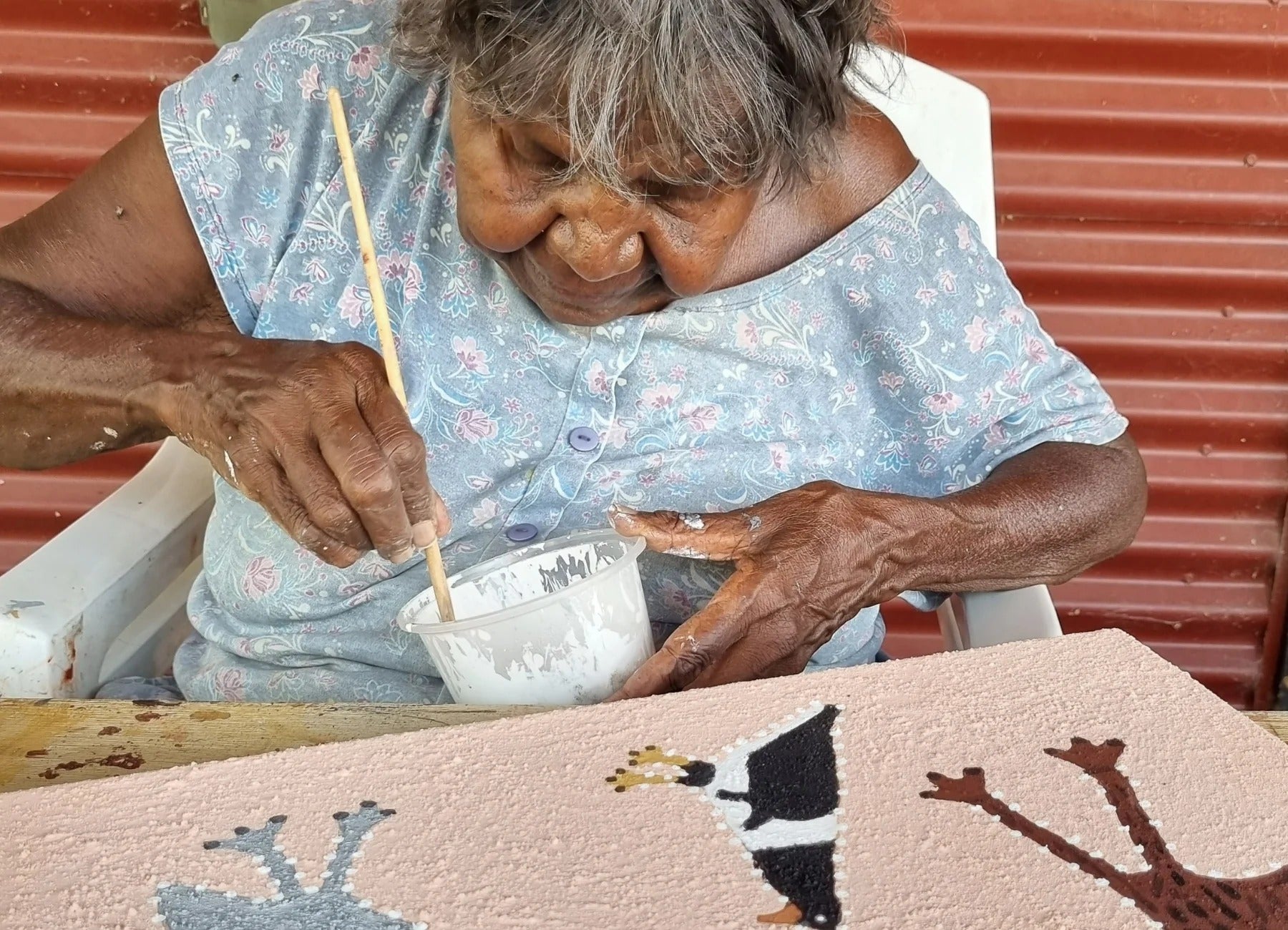
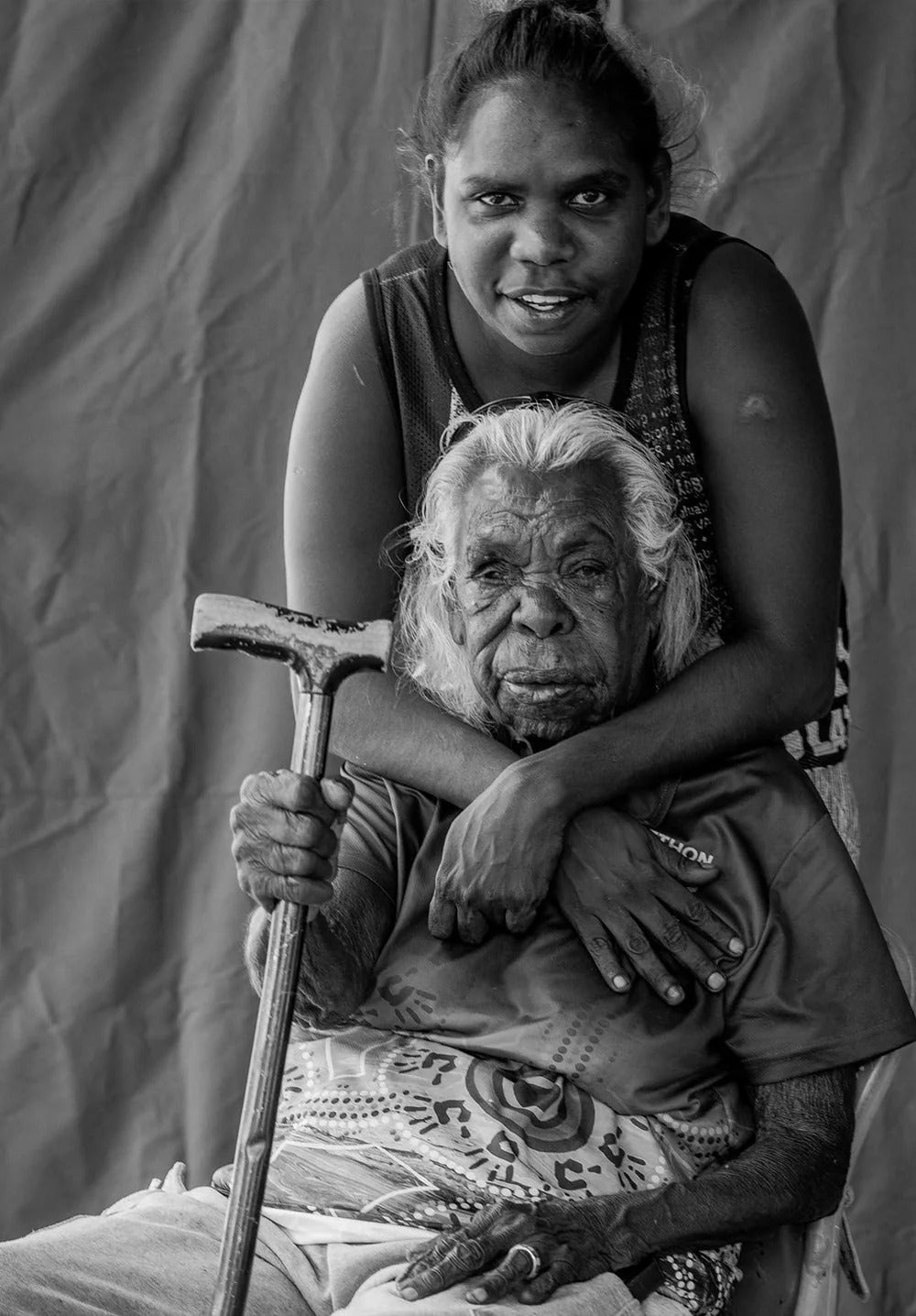
In the heart of the East Kimberley, WA where the stunning beauty of The Bungle Bungles (Purnululu National Park) & the rugged Gibbs Ranges unite, Warmun Art Centre stands as a vibrant cultural sanctuary on Gija land. Surrounded by the timeless splendour of ancient Boab trees and majestic geological formations, Warmun Art Centre is home to over 60 artists spanning five generations, whose work seamlessly blends sacred ancestral traditions with contemporary innovation.
Upcoming
We’re currently developing a new Shopify site for Warmun Art Centre, creating a digital platform that respectfully reflects the depth, cultural significance, and strength of the artists and community it represents. The site will showcase original artworks and prints with clarity and care, supporting storytelling around artists, Country, and practice while making works easier to discover and collect.
Built with a considered, gallery-led approach, the experience will balance accessibility with cultural integrity, providing Warmun Art Centre with a refined online presence that supports artists, collectors, and the centre’s ongoing role as a vital cultural institution.
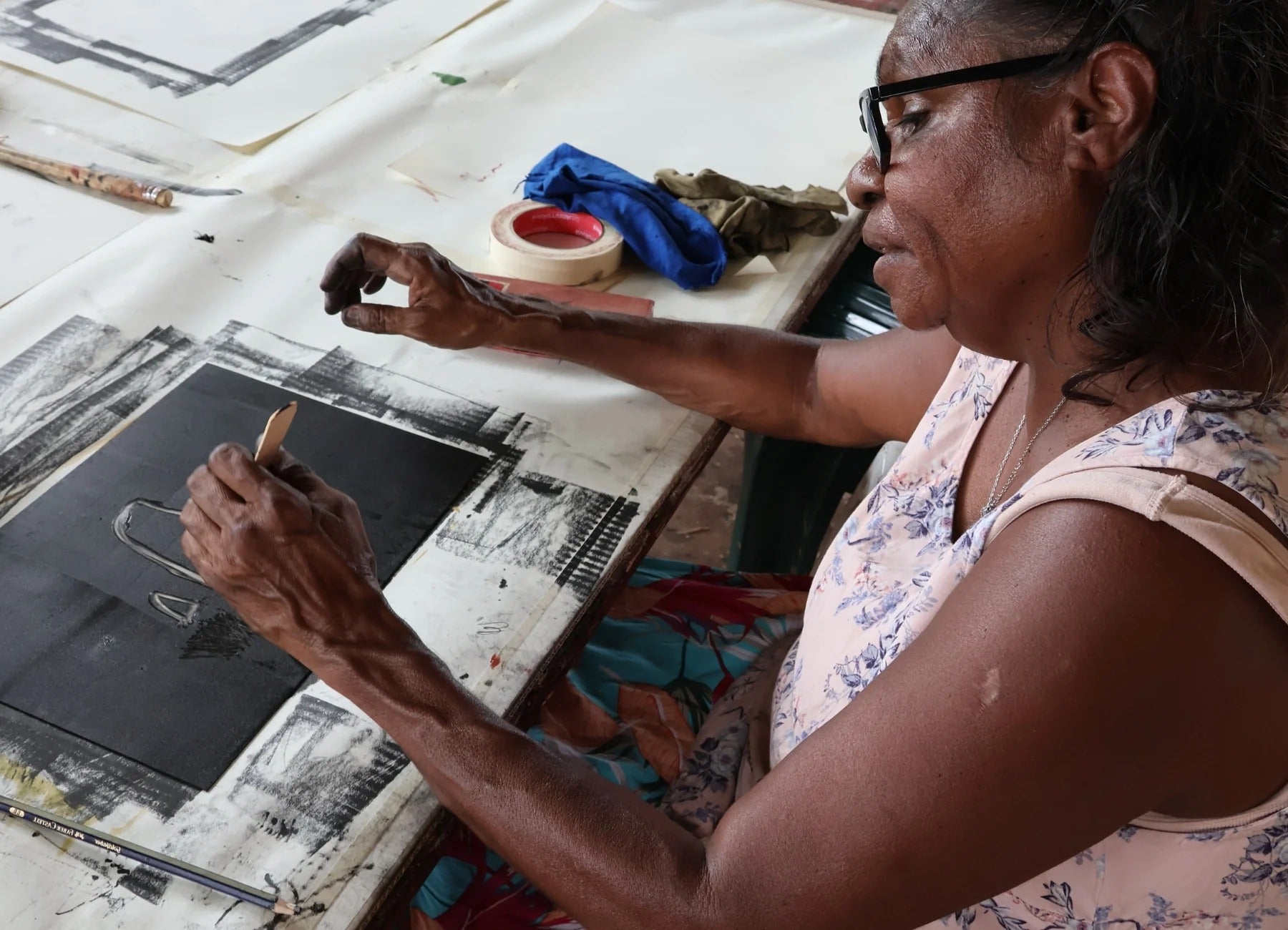
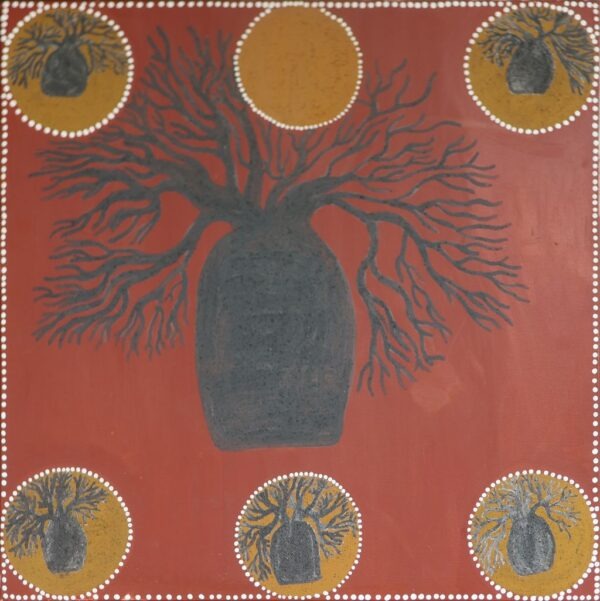
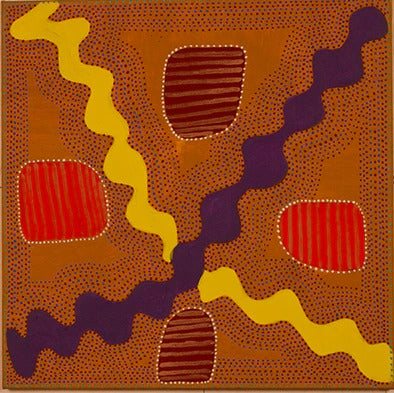
WARMUN ART CENTRE
Warmun Art Centre is a leading Aboriginal-owned and governed art centre based in Warmun (Turkey Creek) in the East Kimberley region of Western Australia. Established in 1998, the centre represents Gija artists whose work is deeply connected to Country, culture, and lived experience.
The art centre supports artists working across painting, works on paper, and limited edition prints, with practices that reflect both ancestral knowledge and contemporary life. Many of the artists are senior cultural custodians, and their work plays a vital role in the transmission of language, law, and stories across generations.
Warmun Art Centre is committed to ethical practice, fair remuneration, and long-term support for artists and their families. It operates as a community-led organisation, reinvesting directly into local cultural, social, and artistic initiatives.
The centre is internationally recognised, with works held in major public and private collections, and continues to play a critical role in sustaining Gija culture through art, education, and community engagement.